
Gan Megaminx | SpeedCubeShop
2 products
Showing 1 - 2 of 2 products
Recently viewed
Why Choose A GAN Megaminx
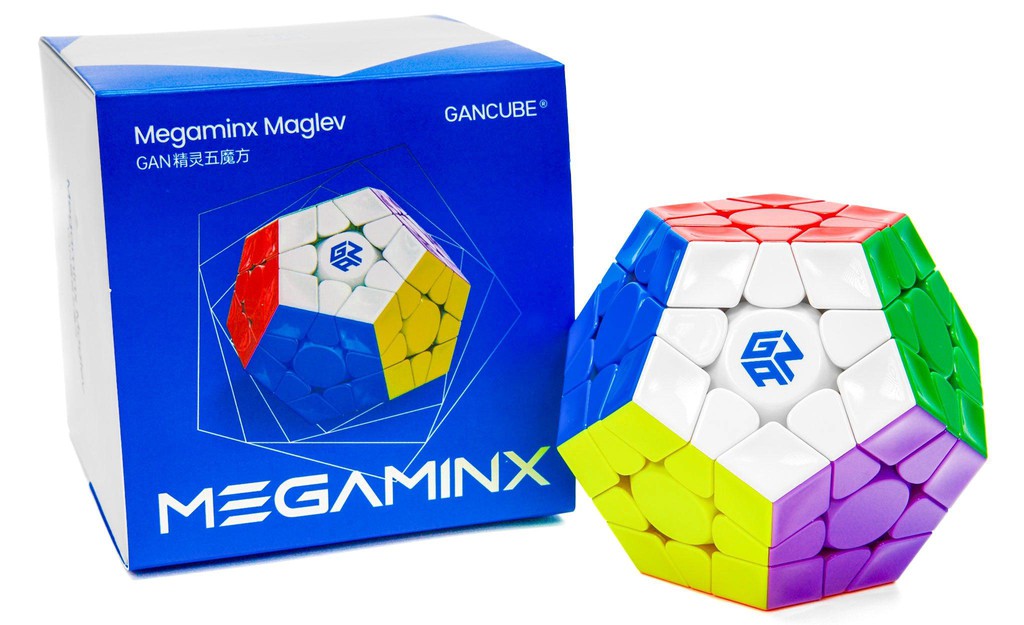
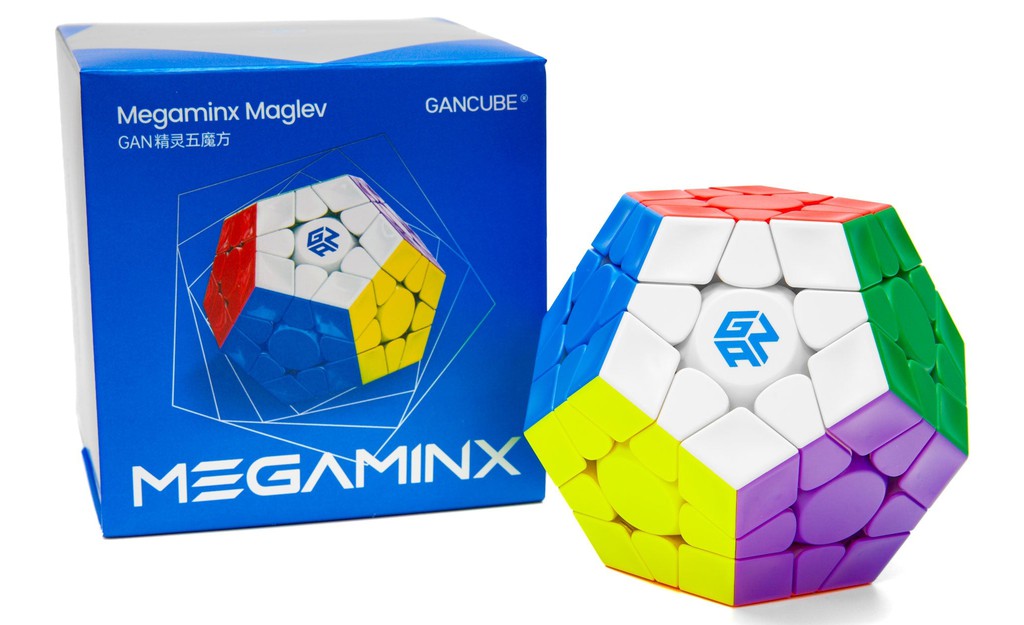
The GAN Megaminx is designed for cubers who want the same performance standards GAN brings to 3x3 cubes applied to a 12-sided puzzle. With 50 movable pieces and 12 faces, the megaminx 3x3 requires stability and corner cutting to be essential for fast solving. GAN speed cubes are known for magnetic positioning systems, and that design philosophy carries directly into their megaminx lineup. You get core magnets, edge magnets, and UV-coated surfaces that reduce friction while maintaining control. The result is a puzzle that feels stable through aggressive turning without sacrificing speed.
MagLev Technology In Total Control
The GAN Megaminx MagLev replaces traditional springs with magnetic repulsion between the core and pieces. This maglev system eliminates spring noise, reduces friction, and gives you consistent tension across all 12 faces. The maglev speed advantage is most noticeable during long solves where spring compression would normally create uneven resistance. If you're looking to upgrade your megaminx 5x5, the GAN maintains the same smooth feel from start to finish, which matters when you're 200 moves into a solve and fatigue starts affecting your turning accuracy.
Magnetic Positioning For Stability
Magnetic positioning in the GAN Megaminx keeps pieces aligned during fast turning. Core magnets stabilize the internal mechanism, while edge magnets create tactile feedback when pieces snap into place. This dual magnetic design prevents overshooting and lock-ups, two common problems with non-magnetic megaminx gigaminx puzzles. The stability you gain translates directly into fewer mistakes during timed solves and a more forgiving experience when you're learning advanced F2L techniques or practicing lookahead.
Performance Features That Matter
GAN builds cubes with adjustable tension systems, and the megaminx zettaminx is no exception. You can fine-tune how loose or tight the puzzle feels by adjusting the core tension to match your turning style. Lighter tension gives you faster corner cutting but requires more control. Tighter tension adds stability for accuracy-focused solving. The adjustable system lets you experiment until you find the sweet spot. The UV-coated plastic surface is another performance feature worth noting. The coating reduces friction between pieces while protecting the plastic from wear, so your puzzle maintains its speed even after thousands of solves.
Weight And Feel Comparison
The weight of a GAN Megaminx sits in the mid-range compared to other magnetic megaminx options. It's substantial enough to feel stable in your hands but not so heavy that it slows down your turning during long practice sessions. The balance between weight and speed is something GAN dialed in through testing with competition solvers, similar to how other premium cubes like the diansheng fto are engineered for optimal performance. If you're coming from a lighter budget megaminx, you'll notice the difference immediately. The added weight gives you more control without requiring extra effort to maintain your turning speed.
Setup And Customization Options
Out of the box, the GAN Megaminx comes factory-lubed and tensioned for immediate use. The lube application is conservative, so many cubers add their own preferred lubricant to dial in the exact feel they want. If you're looking to upgrade or compare options, you can explore other megaminx 5x5 models to see how different setups perform. Lighter lubes like Lunar or Martian give you maximum speed with less control, while heavier lubes like Mystic or Cosmos add stability and dampen the magnetic feel slightly. The puzzle responds well to setup adjustments, and the core design makes disassembly straightforward if you want to deep-clean or re-lube the mechanism.
Breaking In Your Puzzle
New GAN cubes typically require 50-100 solves to break in fully. During this period, the plastic wears slightly, the magnets settle, and the lube distributes evenly across all contact points. Your little magic megaminx maglev system will feel smoother and faster after break-in compared to the first few solves. Some cubers prefer to break in their puzzles gradually through normal practice, while others do dedicated break-in sessions with fast, aggressive turning to accelerate the process. Either approach works, but expect the performance to improve noticeably over the first week of regular use.
GAN Megaminx For Competition Solving
Competition cubers choose GAN for reliability under pressure. The megaminx is WCA-legal and performs consistently across multiple solves, which matters when you're trying to set personal records or place in official competitions. The magnetic system reduces the chance of lock-ups during inspection or execution, and the corner-cutting tolerance handles slightly misaligned turns without forcing you to slow down and correct. If you're serious about improving your megaminx times, the technology in this puzzle removes hardware limitations so you can focus purely on recognition and execution speed.
Comparing GAN To Other Megaminx Options
The main difference between a GAN Megaminx and budget alternatives comes down to magnetic positioning, build quality, and adjustment options. Budget megaminx puzzles often use weaker magnets or skip core magnets entirely, which affects stability during fast turning. The UV-coated plastic on GAN cubes also outlasts uncoated alternatives, maintaining consistent performance over time. If you're deciding between a GAN puzzle and a budget option, consider how often you'll be solving. Casual solvers who practice a few times per week may not notice the difference as much as competitive solvers putting in daily sessions.
Frequently Asked Questions
Why Is Gancube So Expensive?
GAN cubes cost more because of the technology inside them. MagLev systems, precision-machined cores, UV-coated plastic, and adjustable magnetic positioning all add to manufacturing costs. You're paying for performance features that directly impact solving speed and consistency. For competitive cubers, that investment pays off in better times and more reliable hardware during competitions.
Is Megaminx Or 4x4 Harder?
Megaminx is generally considered easier to learn than 4x4 because it uses similar algorithms to 3x3 solving. The megaminx 3x3 has more pieces and takes longer to solve, but the solving method is more intuitive. A 4x4 introduces parity cases and center building that don't exist in odd-layered puzzles, making the learning curve steeper for most cubers.
What Is A 10x10 Megaminx Called?
A 10x10 megaminx is called a Teraminx. It's a massive 12-sided puzzle with 10 layers per face. Solving a Teraminx can take several hours and requires significant finger strength and endurance. These puzzles are collector items more than competition tools.
What Is A 2x2 Megaminx Called?
A 2x2 megaminx is called a Kilominx. It's a simpler dodecahedron puzzle with only corner pieces, similar to how a 2x2 cube relates to a 3x3. The Kilominx is a good introduction to megaminx solving without the time commitment of a full 12-sided puzzle.
Shop GAN Megaminx At SpeedCubeShop
We stock the full GAN Megaminx lineup with same-day fulfillment on orders placed before 1 PM Pacific. Every puzzle ships from our U.S. warehouse with a 90-day return policy, so you can test the performance risk-free. Our 4.9-star rating across 5,000+ reviews reflects 15 years of serving the cubing community with authentic products and reliable service. If you're ready to upgrade your megaminx solving, browse the collection above and find the GAN cube that matches your skill level and goals.
Fast shipping from Las Vegas
Tracked delivery on every order.
90-day returns
Hassle-free — see policy.
Delivery ETA
Shown at checkout.
Secure checkout
Shop Pay + major cards.